
Mind Moves is a lifestyle!
Our workshops are short, engaging, and filled with inspiring “aha” moments.
Each workshop provides practical information, activities and movements ensuring that parents, educators, and therapists leave with effective solutions they can implement right away.
Mind Moves Workshops are accredited for CPD points by the Health Professions Council of South Africa (HPCSA), South African Medical Association (SAMA), South African Council for Educators (SACE), and South African Professional Institute for Kinderkinetics (SAPIK).
You will earn the following points per workshop: HPCSA/SAMA 2 points, SACE 5 points, SAPIK 2 points.



Neuroscience 101 Workshops
Experience the comprehensive Mind Moves Neuroscience 101 (4-in-1 Workshops) for R1 400. The programme consists of four consecutive sessions of 120 minutes each. Workbooks and a certificate of completion are included in the package. Workshops take place in-person or online.
Click on the blue title of each service to learn more.
NEUROSCIENCE OF LEARNING
PURPOSE OF WORKSHOP
- To develop a neuroscientific understanding of learning.
CONTENT
- Defining learning from an educational and psychological perspective.
- Defining learning from a neuroscience perspective.
- Explore the sensory system, including inside and outside senses.
- Explore the brain, including the survival brain, limbic system, neo cortex: occipital, temporal, parietal and frontal lobes.
- Explore the motor system. The developmental sequence from top to bottom and from inside to outside.
- Learn to differentiate between body mechanics versus skills.
NEUROSCIENCE OF DEVELOPMENT
PURPOSE OF WORKSHOP
- To develop a neuroscientific understanding of development.
CONTENT
- What does it mean to grow?
- What does it mean to develop?
- Explore the triune brain theory: a functional model of development.
- Explore the survival brain.
- Explore the emotional brain.
- Explore the intellectual brain.
- Reimagine the definition of intelligence – the ability to adapt to the changing environment.
- Explore physical, emotional and intellectual intelligence.
NEUROSCIENCE OF BEHAVIOUR
PURPOSE OF WORKSHOP
- To develop a neuroscientific understanding of behaviour.
CONTENT
- Explore the triune brain theory: A functional model of behaviour.
- Explore the survival brain: typical behaviour; practical strategies and how children learn best.
- Explore the emotional brain: typical behaviour; practical strategies and how children learn best.
- The intellectual brain: typical behaviour; practical strategies and how children learn best.
NEUROSCIENCE OF UNIQUENESS
PURPOSE OF WORKSHOP
- To develop a neuroscientific understanding of uniqueness.
CONTENT
- Let’s discover the 3 elements of uniqueness: Nature, nurture and the decisions we make.
- Explore dominance and the learning process, including flow, free flow, blocked flow and mixed flow.
- Explore dominance and the triune brain, including what we call the elevator in the brain.
- Explore your dominance profile, including input, processing and output.
- Explore the role of dominance in learning styles.

Learning Booster Workshops
Registration becomes available upon successful completion of the NEUROSCIENCE 101 Workshops.
Join our transformative Mind Moves Learning Booster workshops for R350 per workshop. Each 120-minute session includes a workbook and a certificate of completion. Workshops take place in-person or online.
Click on the blue title of each service to learn more.
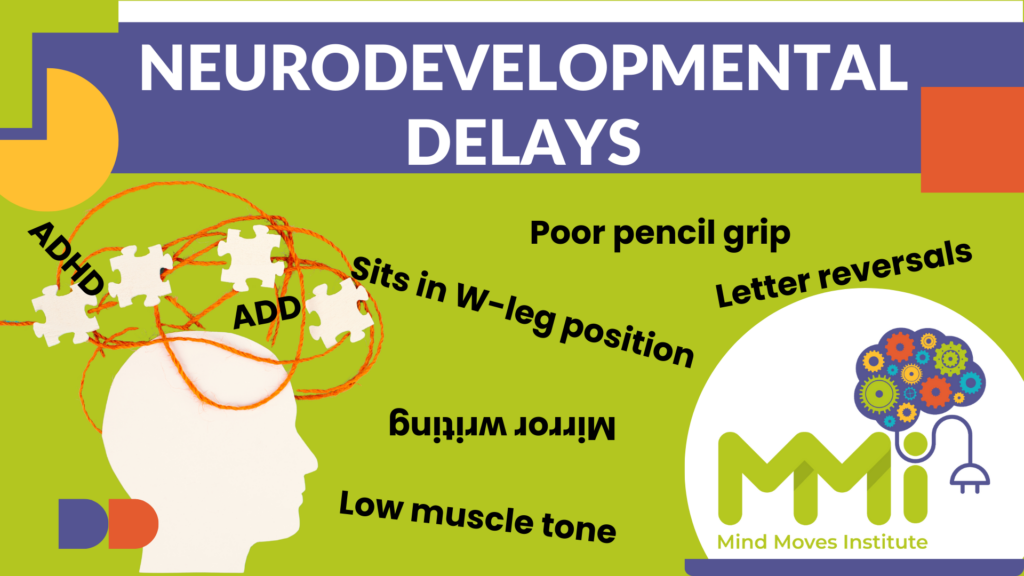
NEURODEVELOPMENTAL DELAYS
PURPOSE OF WORKSHOP
- To understand how neurodevelopmental delays act as barriers to learning.
CONTENT
- Define the phrase “barrier to learning” and explore possible causes.
- Identify internal and external barriers to learning.
- Explore the role of primitive reflexes.
- Explore neurodevelopmental delays as a result of active primitive reflexes.
- Recognise SOS signals.
- Identify the problem without labelling or diagnosing.
- Find a solution to the problem and recommend appropriate Mind Moves and activities for a home program.
GRAVITATIONAL SECURITY
PURPOSE OF WORKSHOP
- To address and remove gravitational insecurity as a barrier to learning.
CONTENT
- Defining gravitational security.
- Explore the importance of movement in the learning process.
- Learn to recognise signs and SOS signals of gravitational insecurity.
- Explore possible causes of gravitational insecurity.
- Explore the Moro reflex.
- Explore the Tonic Labyrinth reflex.
- Learn to look deeper than labelling a child as naughty.
- Explore Mind Moves and other fun activities to boost confidence and gravitational security.
NEURODEVELOPMENTAL PLAYGROUNDS
Please note that attendance of the Gravitational Security workshop is a prerequisite for this workshop.
PURPOSE OF WORKSHOP
- To use Neurodevelopmental Playgrounds to remove barriers to learning.
CONTENT
- Defining gravitational insecurity in the context of playgrounds.
- Defining Neurodevelopmental Playgrounds.
- Explore their value.
- Explore the conscious stimulation of the outside and inside senses.
- Learn to plan and implement essential playground elements for a transformative Neurodevelopmental Playground experience.
NO MORE LOW MUSCLE TONE
PURPOSE OF WORKSHOP
- Address low muscle tone as a barrier to learning.
CONTENT
- Defining low muscle tone.
- Explore the role of muscle tone in posture.
- Explore the role of muscle tone in balance.
- Explore how muscle tone is developed using three planes of space.
- Explore how muscle tone acts as a counterforce to gravity.
- Explore the role of muscle tone in establishing a secure and stable body base.
- Explore how movement, muscle tone, balance, and learning are interconnected.
- Explore Mind Moves and other fun activities to boost muscle tone.
DYSLEXIA AND POOR SPATIAL ORIENTATION
PURPOSE OF WORKSHOP
- To address poor spatial orientation as a barrier to learning.
CONTENT
- Defining spatial orientation.
- Exploring the developmental value of spatial orientation.
- Explore how poor spatial orientation can be identified in the classroom.
- Explore which key muscles support the development of spatial orientation.
- Explore three important steps to establish spatial orientation.
- Explore possible causes of spatial orientation problems and where they start.
- Explore how inside and outside senses play an important role in establishing spatial orientation.
- Explore Mind Moves and other fun activities to boost spatial orientation.
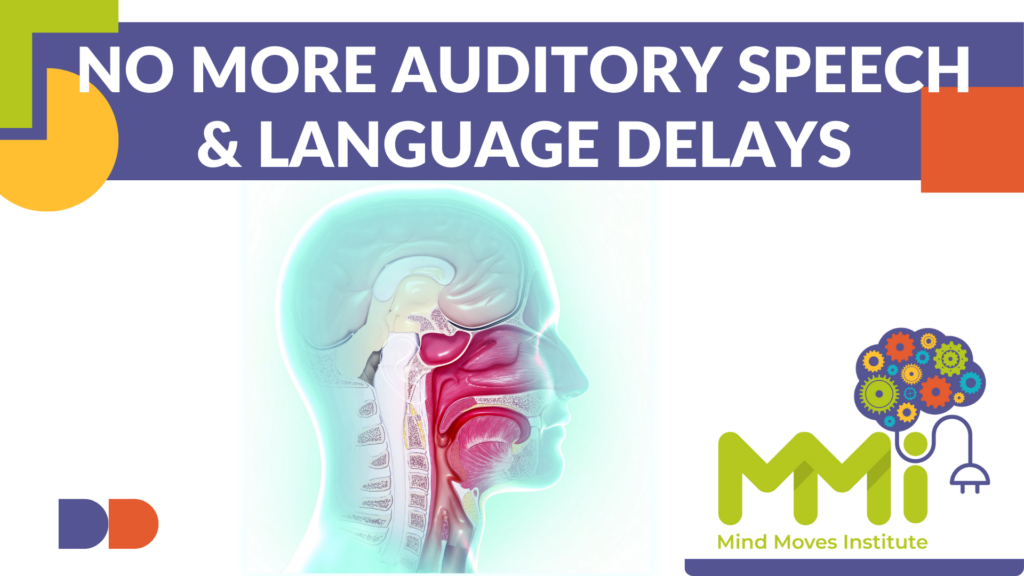
NO MORE AUDITORY, SPEECH AND LANGUAGE DELAYS
PURPOSE OF WORKSHOP
- To remove barriers to learning by addressing auditory, speech, and language delays.
CONTENT
- Defining an auditory development delay.
- Defining a speech development delay.
- Defining a language development delay.
- Explore how to recognise an auditory, speech and language delay in class.
- Explore possible consequences of auditory, speech and/or language delays.
- Explore Mind Moves and other fun activities to boost auditory, speech and language skills.
LEGIBLE HANDWRITING
PURPOSE OF WORKSHOP
- To remove illegible handwriting as a barrier to learning.
CONTENT
- Explore why legible handwriting is important.
- Explore factors that influence neatness of handwriting.
- Explore the developmental stages of handwriting.
- Explore ways to develop posture, pencil grip (including pencil grip for left handers), and writing alphabet letters.
- Learn how to identify problems with handwriting and know when to act.
- Explore Mind Moves and other fun activities to boost legible handwriting.
SPLENDID SPELLING
PURPOSE OF THE WORKSHOP
- To remove poor spelling as a barrier to learning.
CONTENT
- Defining spelling as a skill.
- Explore how to recognise a spelling problem in class.
- Explore how spelling develops over time.
- Explore learning using the whole body.
- Explore learning using the ears and eyes.
- Learn how to develop fundamental auditory and visual perception skills to support spelling.
- Explore Mind Moves and other fun activities to boost spelling skills.
Registrations close two days prior to the workshop. Find a workshop closest to you, or search for the next online event.
