Melodie de Jager
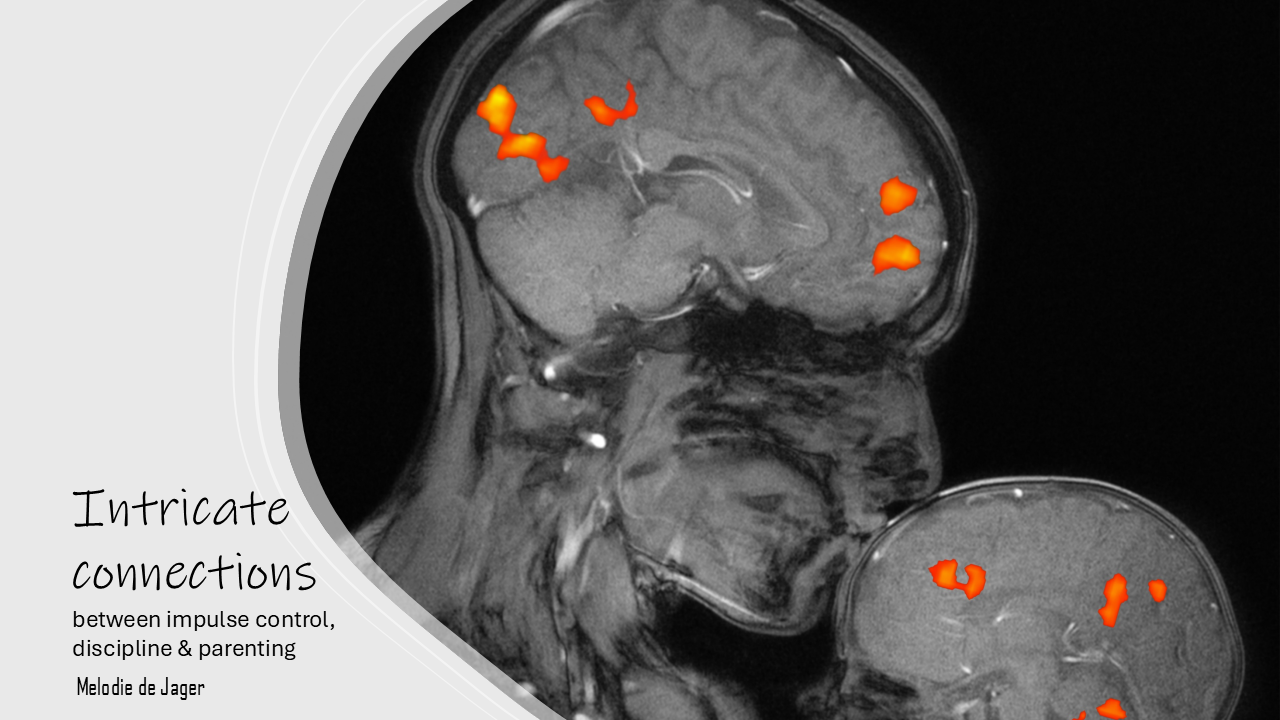
There are very few things that register higher on the ‘daunting-scale’ than to be a new parent. The awe of holding your very own baby in your hands luckily registers equally high, but on the scale of wonder. These two equally intense but opposing emotions are natural companions in the journey called parenthood.

This is especially true once one truly understands that your baby’s brain at birth is incomplete, it is waiting for you to bond and protect it from too many impressions too soon. Your baby is relying on you to slowly introduce the world to them. A full-term pregnancy leaves a baby incapable of fending for itself, and a premature birth even more so.
WHY ARE BABY’S BORN 18 MONTHS TOO EARLY
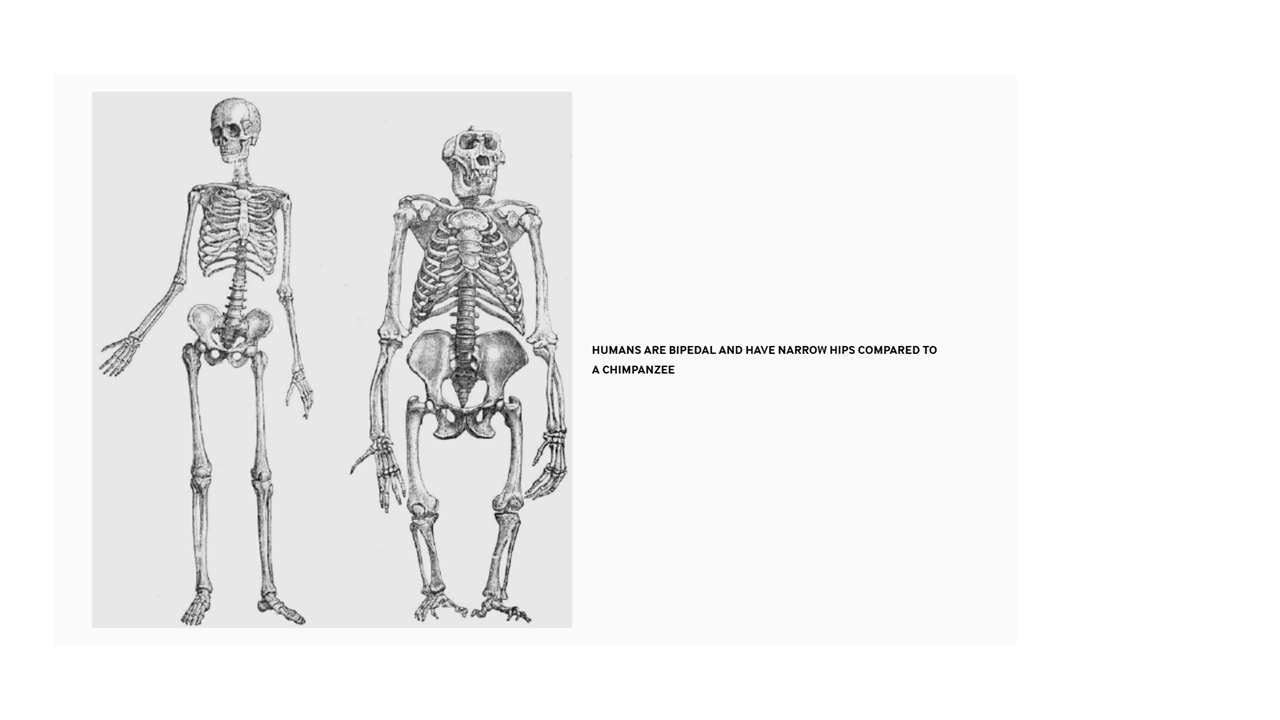
Babies are born early because we walk on two legs. To accommodate that feat the human pelvis is narrow to support and balance the rest of our frame. The second reason babies are born early is to pass safely through the pelvis due to their huge and precious brains. This exit route has been designed with meticulous care to give every baby the most respectful and gradual entry into the world.

Animals have different brains designed to fit into a specific niche in nature where chances of survival are best. Hence every animal is born with an instinctive, and not a rational, thinking brain like a human baby. Minutes after birth a baby animal instinctively struggles to get up and walk just like their parents. They have no problem finding mom to feed and to spend the next few months learning how to scan the environment to stay safe and know where they belong – walking and eating like their parents do.
THE IMMATURE AND INCOMPLETE HUMAN BRAIN

A baby is born with a few hardwired nerve connections that enable the heart to beat, lungs to breathe, body temperature to be regulated, to suck-swallow-breathe to feed and blink to keep the eyes moist. They are born with an affinity for faces and the basic nerve connections to learn language. But most of a baby’s brain cells are waiting for their parents to connect and bond with them, and then for their parents to gently and systematically introduce their baby to the environment, playfully encourage interaction.

Before birth mom was their entire world where they thrived. Within the confines and safety of the womb the basic connections of their brain where developed in a sensory rich but muted environment, just enough stimulation to develop, but not too much to overwhelm their immature brains. The moment a human baby is born into the world of gravity, people and things, their brains need to adjust rapidly to cope, and that is why skin-on-skin straight after birth is the best launch pad for a life of learning and adjustment to thrive.
NEUROPLASITICITY AND MOULDING THE BRAIN
A baby has been designed with senses to gradually absorb the world around them and brains with the ability to make connections and to hold onto those connections, a process called neuroplasticity. That is why babies thrive on playful repetition – it builds stronger connections and over time develops skills.
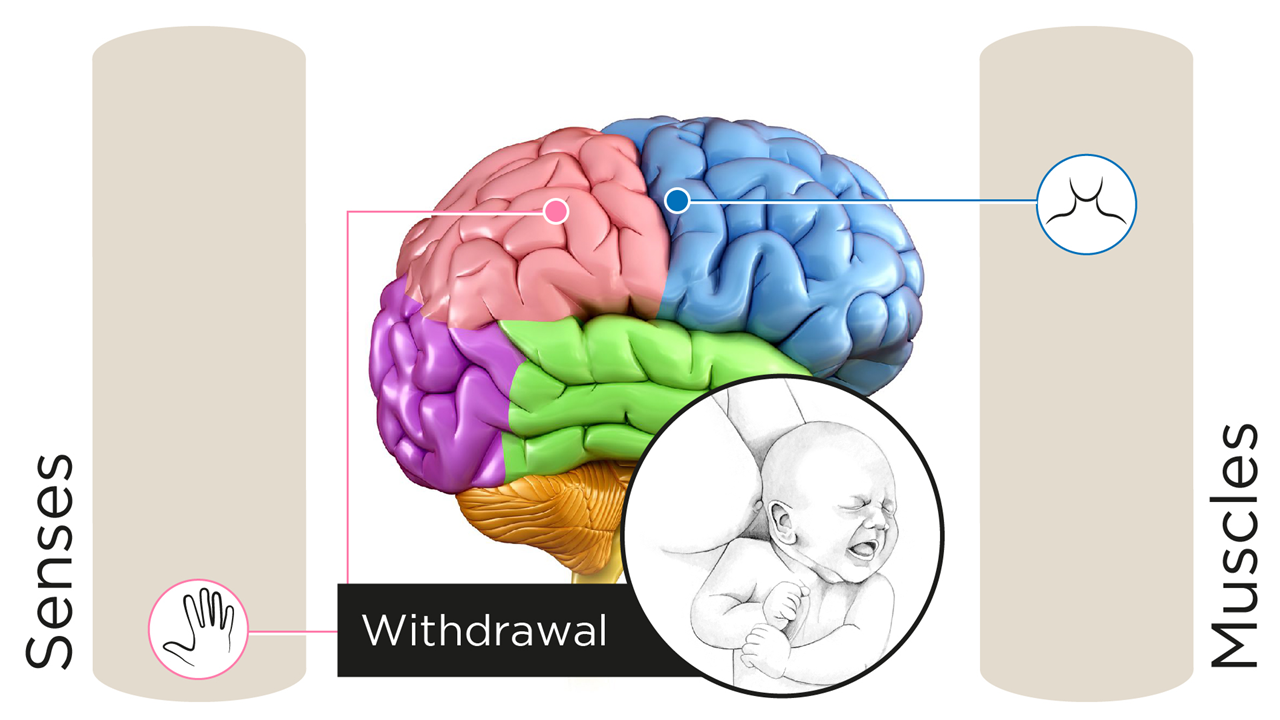
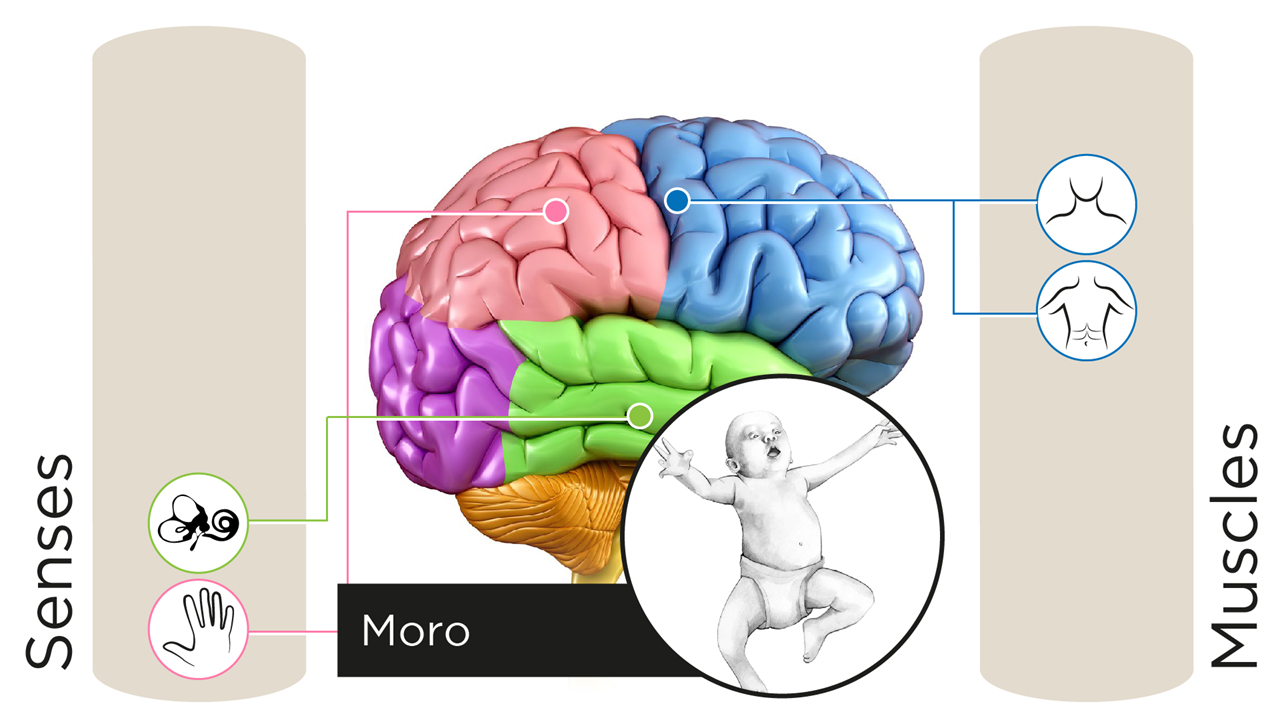

Nature prompts the senses to unfold in a systematic manner first the senses of touch, movement, smell and taste when close and during interaction with mom and dad. These senses are called simple senses because they are not paired like the ears and eyes. They are the foundational senses responsible for creating a map of the body in the brain that all the other senses and brain connections expand on. The senses of touch, movement, smell and taste are also called comforting senses that make attachment and emotional development possible.

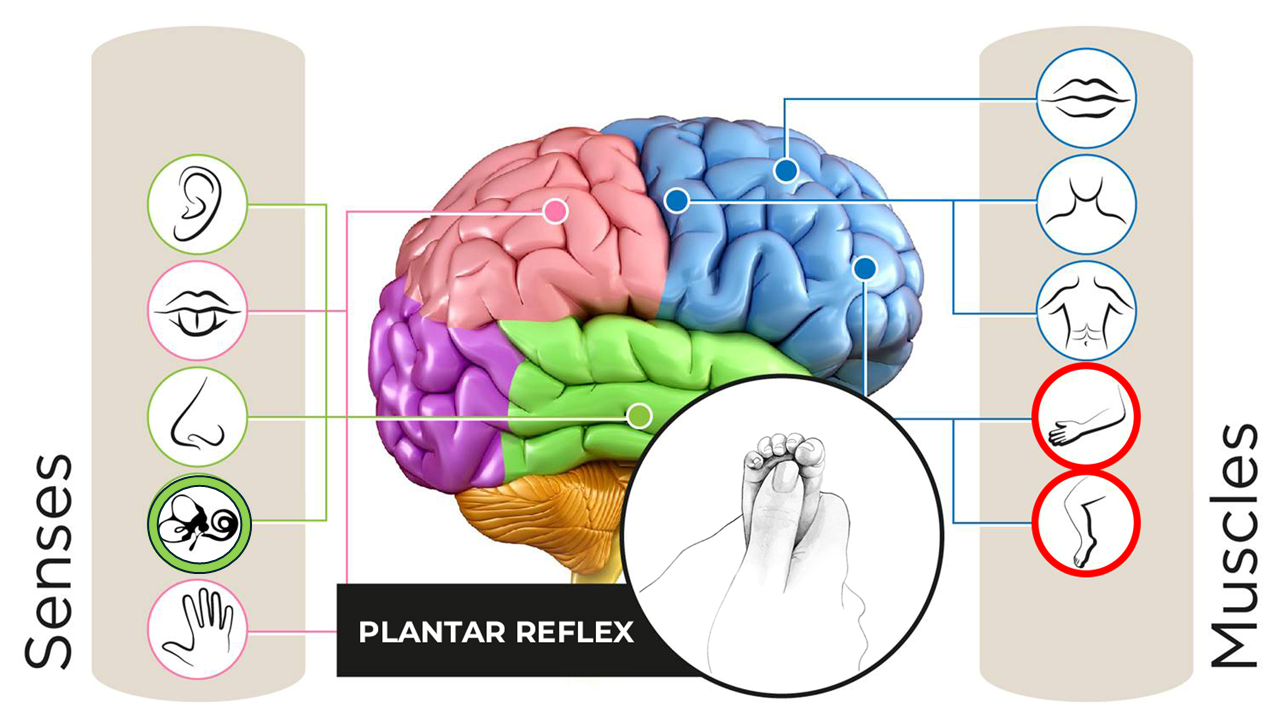
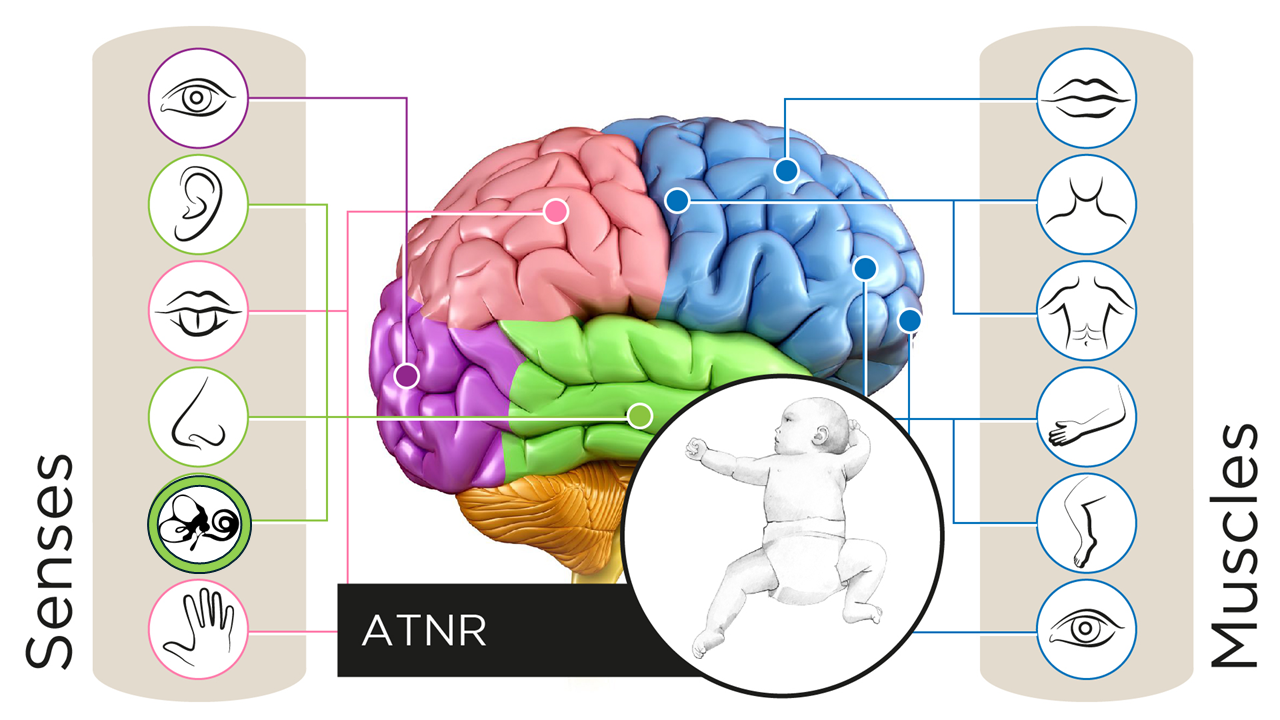
A baby’s sense of movement expands with every primitive reflex to be ready to do what their developing senses of hearing and sight entice them to do. It is fascinating to realise the paired senses of hearing (two ears) and sight (two eyes) are a baby’s highways to language development and cognition. But the effectiveness of your baby’s ears and eyes are determined by the quality of their simple senses.
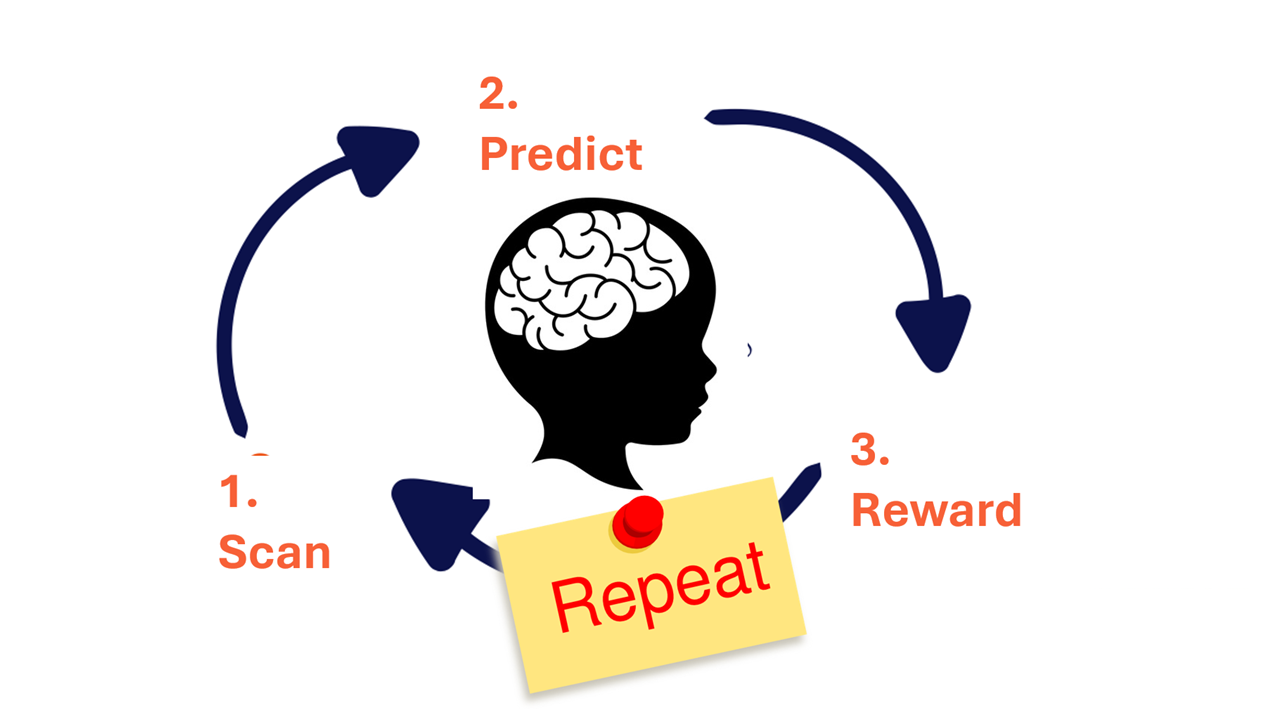
It is the interplay between all their senses that enables a baby to scan the environment and spot what is known and what is different. What is known delights and what is new ring warning bells until mom, dad or a caring adult stops to comfort and to unlock the ‘new thing’ giving it meaning.
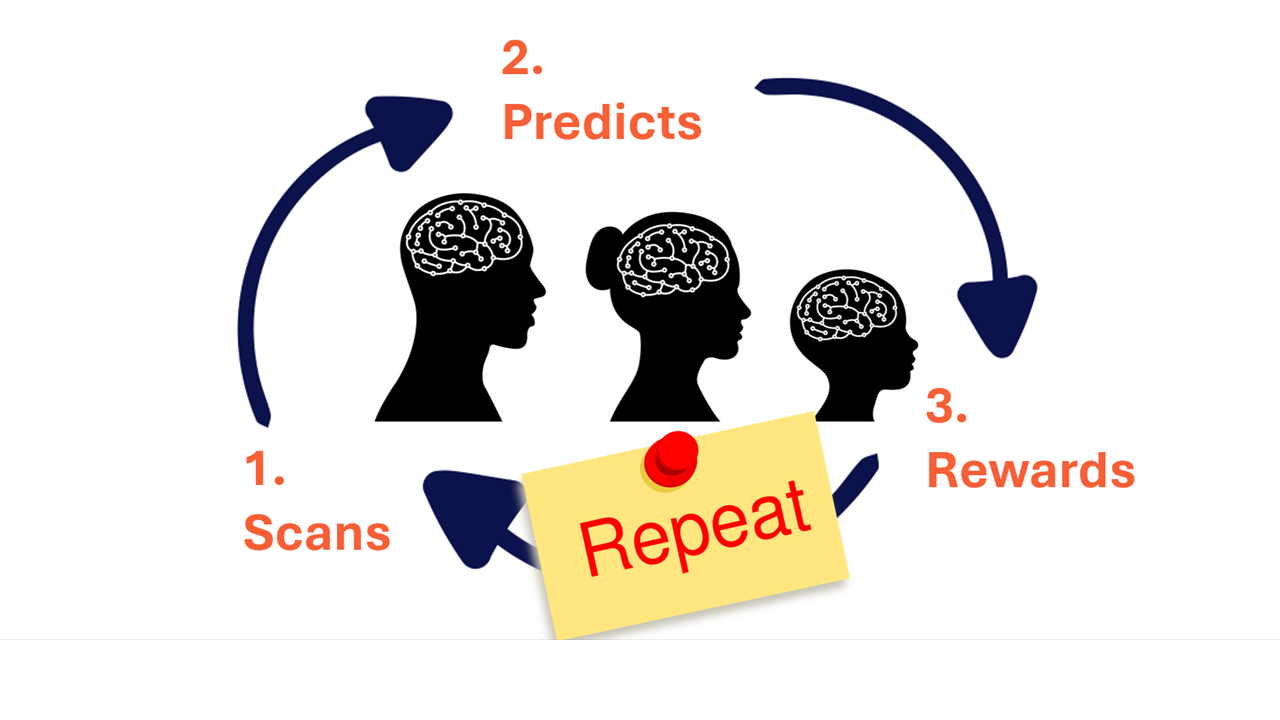
Even though a young baby doesn’t understand everything you say, they sense the time and care you give. Every word you speak is recorded in their brain, building an early language foundation – first through listening, then through repetition they begin to understand your words, and eventually by using your words themselves.
PARENTING IS A DELIBERATE AND CONSCIOUS ACT OF BUILDING A YOUNG BRAIN
Babies know what they are exposed to. What you don’t expose them to, your baby won’t know. But they don’t learn selectively. They learn everything that they are exposed to, so choose your influencers (care givers, school and friends) with care.
Limiting beliefs become their beliefs, limiting thoughts become their thoughts and their words.
As much as parents and caregivers stimulate a baby’s start-neurons – the neurons that enable them to wriggle, move, explore, and respond – the stop-neurons need stimulation too. Stop-neurons are activated during games like peek-a-boo, clapping games, action songs, and any activity where the baby learns to…WAIT. Learning to wait is a conscious first step towards impulse control, and impulse control is, in turn, a natural outcome of discipline.
Can we talk about discipline when we talk about babies? Absolutely. As soon as a baby begins moving, they need to learn to STOP too – not as punishment, but for their own safety. Every peek-a-boo “where are you?”, clap-together “freeze!” or action rhyme or song is a lesson in pausing, noticing, and learning that they can control their own actions. It is discipline wrapped in delight, and how impulse control begins – the foundation of self-regulation that will support them throughout life – physically, emotionally and cognitively.
IMPULSE CONTROL, DISCIPLINE & PARENTING
Discipline comes from the Latin word meaning ‘to teach,’ not ‘to punish.’ True discipline is about teaching impulse control. It sets boundaries that activate the brain’s internal “STOP” neurons. Just as a car with an accelerator but no brakes is destined to crash, a child without impulse control struggles with emotional and behavioural regulation and control.

A lack of impulse control leaves a child feeling anxious, insecure, and lost. Without internal brakes to help them pause and think before acting, they may struggle to organise themselves, get lost, misplace things, and find everyday situations overwhelming. This inner chaos often shows up in two ways: some children become defiant, pushing against boundaries to gain a sense of control; others turn inward, becoming withdrawn or emotionally distant to protect themselves from feelings they cannot manage. In both cases, the root issue is the same – a nervous system searching for safety, predictability and reward.
Mind Moves Massage

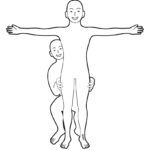
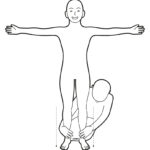
Teaching impulse control begins not with punishment, but with connection. When a child feels safe, seen, and understood, their nervous system calms down, allowing the thinking part of the brain to come online. Gentle, consistent boundaries act as external brakes until the child develops their own internal brakes. Each time an adult helps a child pause and breathe, new neural pathways for impulse control are formed. Over time, the child learns to stop at will.
The brain’s STOP neurons act like a GPS for behaviour: when activated, a child knows their “current location” and can pause, reflect, and choose a response. Without STOP, it’s as if the GPS has no signal – behaviour becomes unpredictable and reactive as the child searches for that missing sense of position. The Mind Moves Massage, combined with boundaries and gentle guidance, recalibrates the GPS, giving the child a reliable reference point for self-regulation.
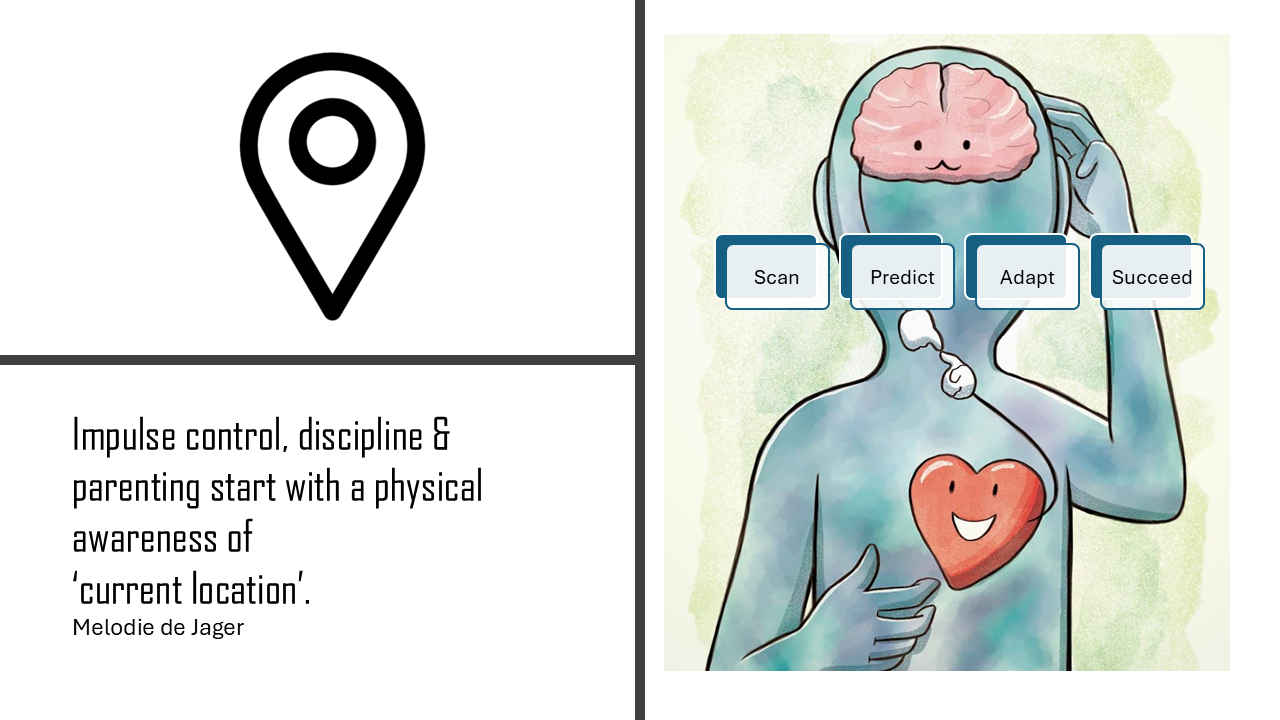
Regulation begins in the body as much as in the mind. When a child physically stops talking, shouting, moving, or throwing, the gravitational receptors under the feet “zoom in” on gravity, offering deep stability and predictability. These body-based signals feed into the nervous system, helping the brain apply its mental and emotional brakes. In this way, impulse control becomes a whole-body skill, anchored in both awareness and physical grounding.
Discipline, then, is not about compliance but about co-regulation – the process when an adult’s calm presence helps a child develop self-control. In this way, discipline becomes a teaching relationship, not a power struggle. It builds trust, fosters emotional resilience, and lays the foundation for healthy self-regulation throughout life.
Read more articles here: https://www.mindmoves.co.za/articlespublications/