The Surprising System Linking ADHD, Memory Loss, and Alzheimer’s

The Role of the Vestibular System in Dementia and Alzheimer’s Disease: A Review of Evidence and Mechanistic Insights
November 12, 2025
Die Verrassende Stelsel wat ADHD, Geheueverlies en Alzheimers Verbind
November 14, 2025
Melodie de Jager

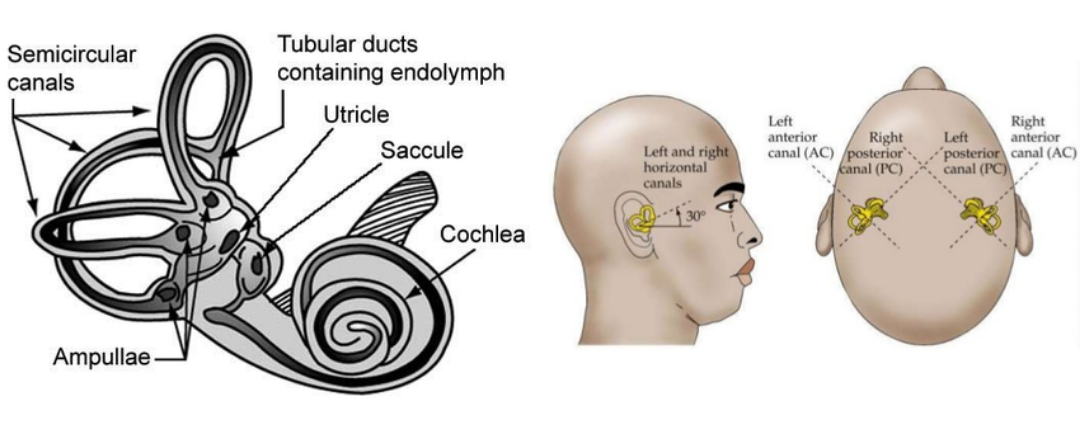
New research shows that the vestibular system – the combined neck and inner-ear system that helps us understand where we are in space and stay upright and stable – may play an important role in memory, thinking, and the risk of dementia or Alzheimer’s disease.
Your balance system and your brain’s “memory system” are more connected than we once thought.

Why balance and memory are linked
The vestibular system sends information from your senses and muscles to brain areas that handle:
- Balance and posture
- Eye movements
- Spatial awareness (“Where am I in this room?”)
- Memory (especially the hippocampus)

If the vestibular system isn’t working well, the brain has to work much harder just to keep you upright and steady. That extra effort leaves less mental energy for concentrating, remembering, and thinking, affecting both children and adults alike.
This connection starts early in life – children with weak vestibular development often struggle with attention (ADD/ADHD) and learning (such as dyslexia). Over a lifetime, these early challenges may reduce the brain’s overall resilience, which could make a person more vulnerable to cognitive difficulties as they age, including conditions like Alzheimer’s disease.

What research shows
Across many studies, people with vestibular problems are more likely to:
- Have trouble with attention
- Find spatial navigation (movement, speaking, writing, reading) challenging
- Show early signs of cognitive decline
- Develop mild cognitive impairment (MCI)
- Develop dementia or Alzheimer’s disease.
Large population studies also show that vestibular issues often appear years before memory loss, suggesting vestibular decline may be an early warning sign.
Vestibular problems also increase the risk of anxiety, poor eating habits, clumsiness and falls, reduced activity, and social withdrawal – all of which can accelerate cognitive decline.

Why vestibular issues may affect memory
Scientists think the link happens through several pathways:
- Direct effect on memory areas
Less vestibular input → weaker hippocampus → trouble with memory and navigation. - Reduced “brain reserve”
If you use more mental energy to stay balanced, you have less for thinking. - Shared underlying health issues
Poor circulation or inflammation can affect both the vestibular system and the brain. - Falls and inactivity
Vestibular problems → more falls → fear of moving → isolation → faster decline.

What this means
The good news: the vestibular system can often be tested and improved.
Helpful tools include:
- Vestibular testing (like balance tests, eye-movement testing, primitive reflex testing: MORO, TLR, ATNR)
- Vestibular rehabilitation (simple exercises guided by a therapist)
- Balance and mobility training
- Screening for dizziness alongside memory checks
Exercises that challenge the vestibular system like walking in nature, swinging, rebounding, dancing, Mind Moves and all playful movement activities, may help protect long-term brain health. This is especially important in communities with limited access to expensive medical care, since vestibular rehab is low-cost and highly accessible.
Your inner-ear balance system isn’t just about avoiding falls – it’s also deeply connected to how you think, navigate, and remember. Keeping it healthy may help protect the brain from cognitive decline.
Taking care of your balance system may be one of the simplest ways to support your brain throughout life.

References
De Jager, M. (2025). The Role of the Vestibular System in Dementia and Alzheimer’s Disease: A Review of Evidence and Mechanistic Insights https://www.mindmoves.co.za/2025/11/12/the-role-of-the-vestibular-system-in-dementia-and-alzheimers-disease/
De Jager, M. (2025). What’s the Difference Between Dementia and Alzheimer’s Disease https://www.mindmoves.co.za/2025/11/11/whats-the-difference-between-dementia-and-alzheimers-disease/