By Maxie Janse van Rensburg
Advanced Mind Moves Instructor

Is there a place for Mind Moves in a LSEN school?
Yes! Yes! And again, a definite yes! Mind Moves are essential in a LSEN classroom.
As a teacher at an LSEN school, I experience the effects of doing Mind Moves daily with the learners and the results are truly amazing!
Let’s backtrack a bit…
What is an LSEN school?
LSEN refers to Learners with Special Education Needs.
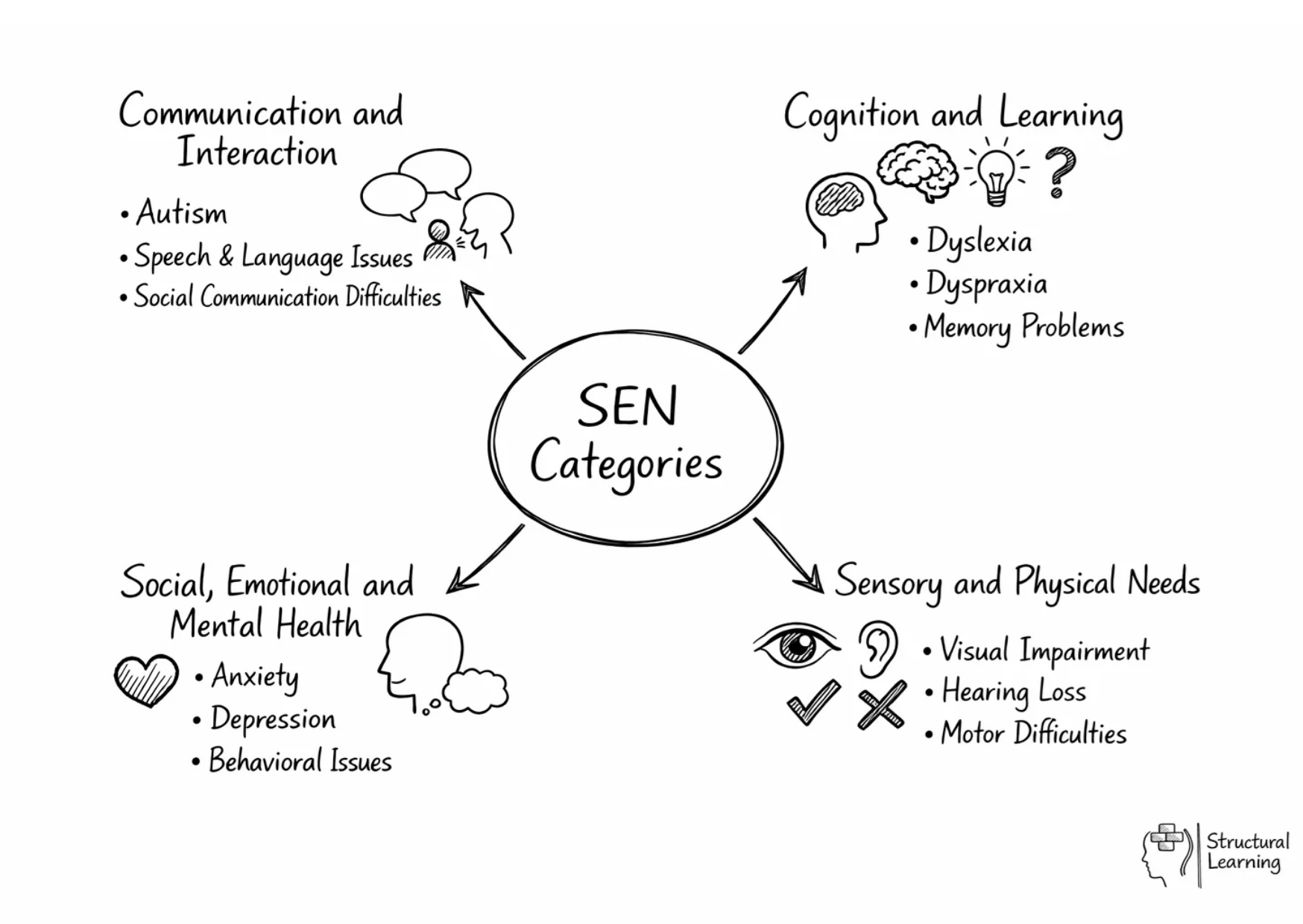
In South Africa, an LSEN school is designed for students who struggle in mainstream education due to learning differences or learning barriers, such as ADD, ADHD, ASD, dyslexia, physical disabilities, or developmental challenges. These schools provide smaller classes, tailored curricula, skill-based development, as well as holistic and therapeutic support to help children achieve their potential in a nurturing environment.
LSEN schools provide a safe space for learners who find mainstream education challenging, allowing them to thrive. When a learner tells you, “Ma’am, I used to think that I was a loser, but after coming to this school, I believe I can be somebody,” it warms the heart and makes all your hard work worthwhile.
What are the typical behaviours displayed by learners at an LSEN school?
LSEN learners often exhibit behaviours linked to their specific learning, emotional, social, or physical barriers. These may include difficulty following school rules, reduced concentration, impulsivity, and emotional dysregulation. Such barriers can also contribute to challenges in writing, reading, and mathematics.
My Experience at Nobilis School of Special Skills
When I started working at Nobilis School of Special Skills, the first thing that struck me was how attached many of the learners were to their schoolbags. During class time, they would often refuse to take them off, or do so very reluctantly. Some would even keep their bags on during school assemblies in the hall.

The second thing that caught my attention was that these learners love — and I mean love — lollipops! Even once the lollipop is finished, they continue walking around sucking on the short white stick that remains.
I have taught at many different schools and across various grades, but this was the first time I had seen so many learners exhibiting the same type of behaviour within one school environment.
It got me thinking… why? Why do they do this?

I realised the following:
- These learners often do not appear to feel grounded. This may explain why many prefer to keep their schoolbags on their backs — it seems to help them feel more secure, regulated, and better able to focus.
- Their attachment to their schoolbags may indicate that they are fluctuating between their survival brain and emotional brain (limbic system), displaying fight, flight, or freeze responses alongside heightened emotional reactions.
- Unconsciously, they may also rely on coping mechanisms to manage overwhelming emotions. Sucking on a lollipop — or even the stick once the lollipop is finished — can have a soothing and calming effect, as sucking is closely linked to regulation and emotional comfort.
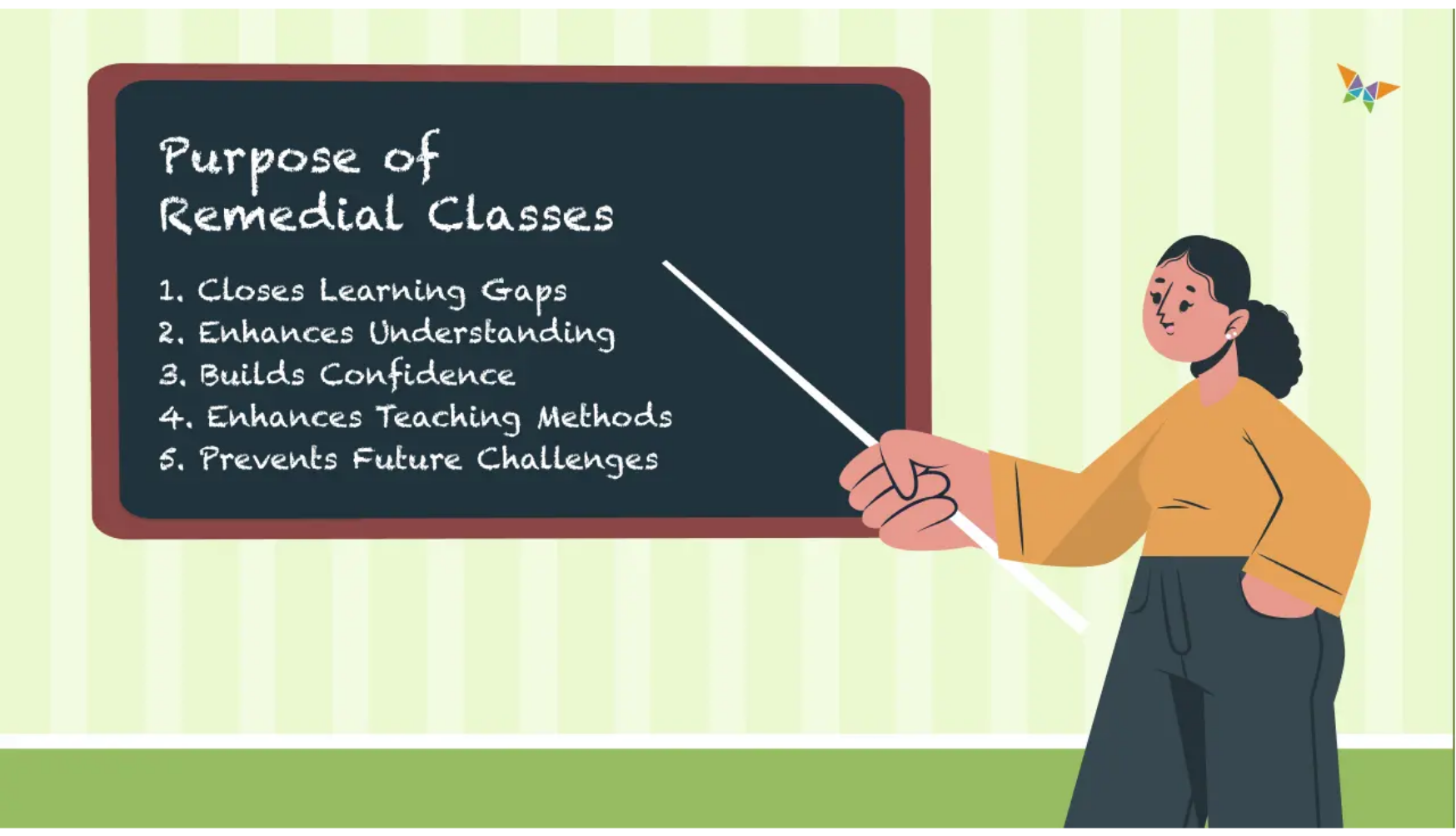

I implemented the following Mind Moves strategies with learners aged 12-14 years:
Please keep in mind that most parents of the learners at my school cannot afford additional support or therapy for their children. Many are also not highly involved in their children’s lives, as they themselves are focused on surviving day to day. Therefore, as educators, we need to go the extra mile for these learners at school.
1. The now-retired principal, Freddie Heyns, gave me permission to incorporate Mind Moves into our curriculum and daily programme, and as a result, we started every period with Mind Moves exercises. We also allocated specific time to develop the learners’ gross and fine motor skills.
A child with weaknesses in physical development often finds it difficult to sit still, concentrate, and access the thinking brain. By incorporating gross and fine motor development into our programme, we aim to address underlying developmental gaps.
Because physical development forms the foundation for later skills, we often see improvements in emotional, social, and intellectual functioning as these foundational abilities strengthen.

2. I maintain a strict classroom routine and warn learners about any changes. This helps them know what to expect and supports a sense of safety and security.
3. I also do my utmost to remain calm in most situations. Yes, sometimes I still “throw my toys out of the cot,” but fortunately not often — and my learners know that too! I strive to be a positive role model.
I believe in truly knowing my learners and building a genuine connection with each of them.
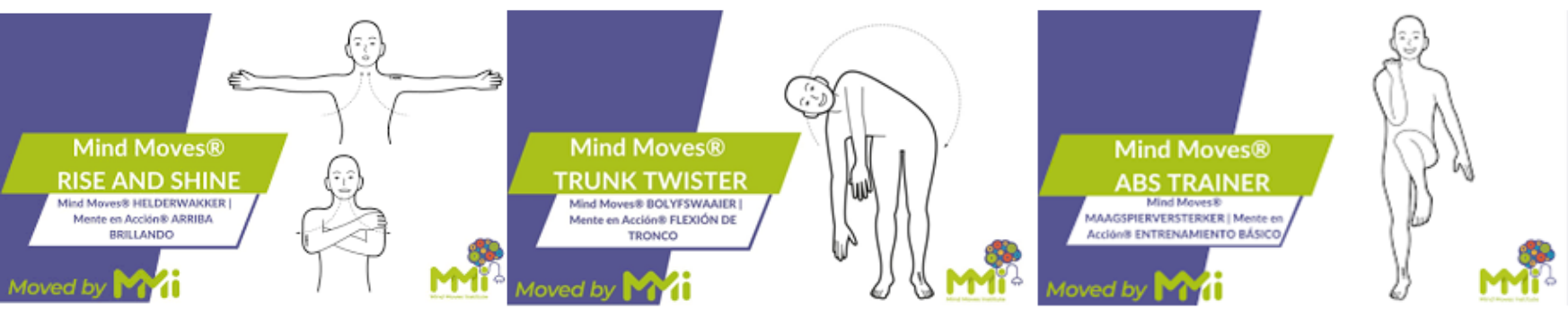
4. When I sense that my learners’ concentration is slipping, I introduce Mind Moves brain and movement breaks as needed. Children are wired to move, not to sit quietly for extended periods.
5. To help learners feel more grounded, I give very busy or talkative learners an old rugby or hockey sock filled with sand, which they place on their laps during classwork.

6. Do your learners interrupt you while you are talking or start working before you have finished explaining? Most of our learners struggle with impulse control.
To support them, I teach a simple self-regulation routine:
STOP! (show a stop sign with the hand)
THINK! (touch eyes, ears, “zip” the mouth, and fold arms)
DO! (only after the explanation has been given, they may begin)
This helps learners pause, process instructions, and respond more appropriately before acting.

7. I share Mind Moves’ belief in multi-sensory lessons for learners. The more senses we engage, the more we capture their attention and the more involved they feel. In multi-sensory lessons, we touch, move, listen and see. Sometimes we even incorporate smell and taste.
Learners respond very positively to this approach, as it makes lessons more interesting and enjoyable. It also improves focus and supports engagement with the thinking brain, while increasing motivation and participation.

In conclusion,
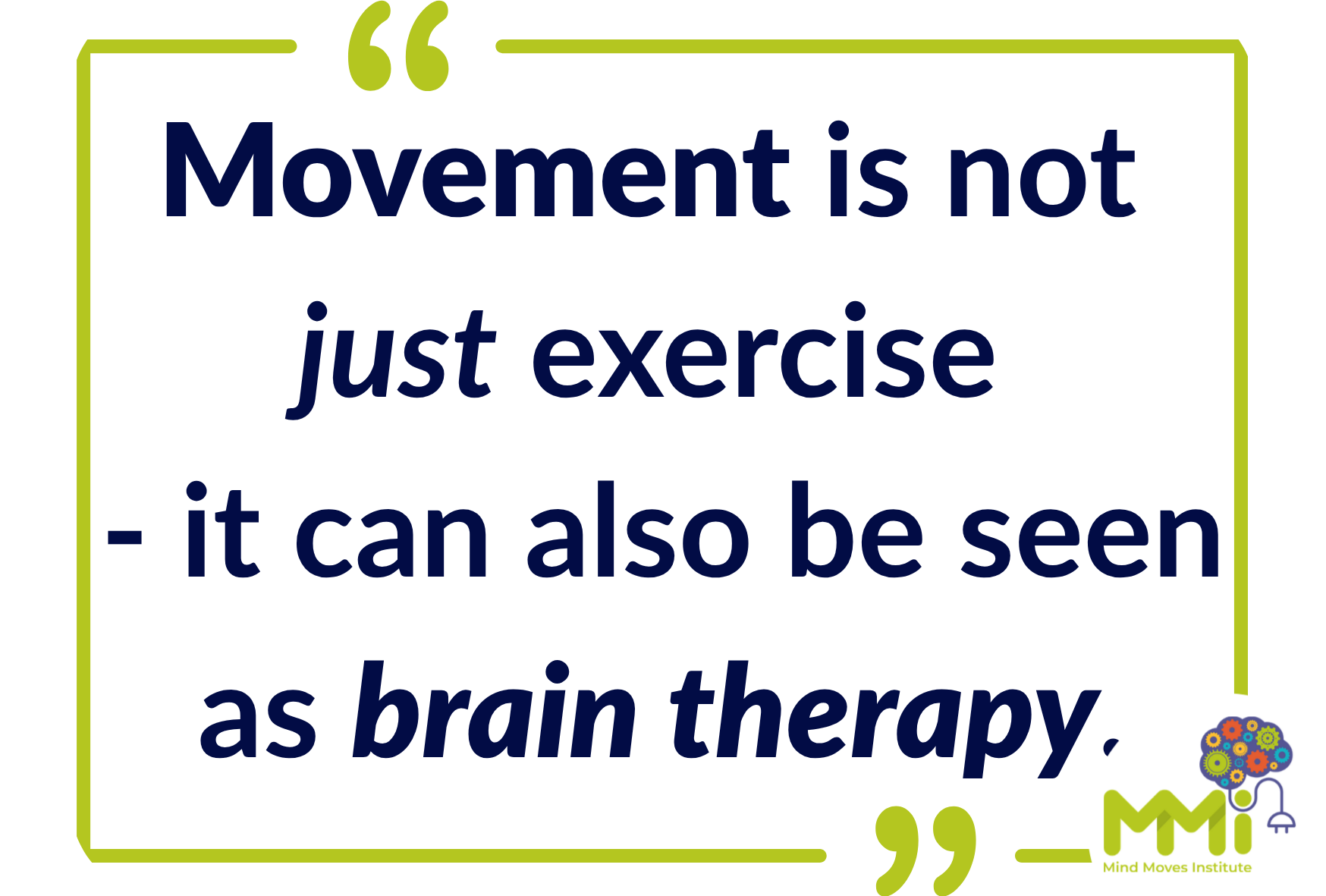
Movement is not just exercise — it can also be viewed as brain therapy. Through Mind Moves coordinated movements, we strengthen neural connections and improve the brain’s ability to self-regulate. This enhances emotional regulation, memory, and learning.
These strategies support learners in progressing from survival-brain functioning to higher-level functioning by first accessing the emotional brain and later the intellectual brain.
Sometimes, I intentionally “forget” to do Mind Moves at the start of a period — and it is music to my ears when I hear a voice call out, “Ma’am, you forgot to do the Mind Moves!”
So, is there a place for Mind Moves in LSEN schools? Yes, they are essential!
Just remember: as the teacher, you also need to slow down, breathe, and move. The children will follow.